Can I Put This Into a Roll-Off Dumpster?
Berks Transfer
January 30, 2023

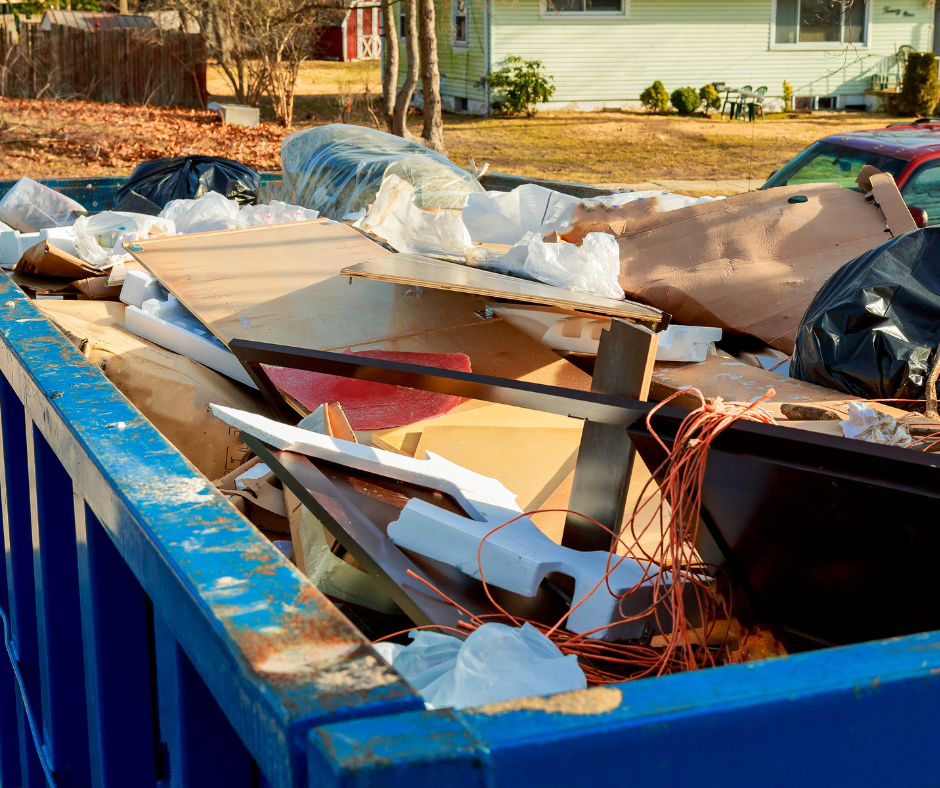
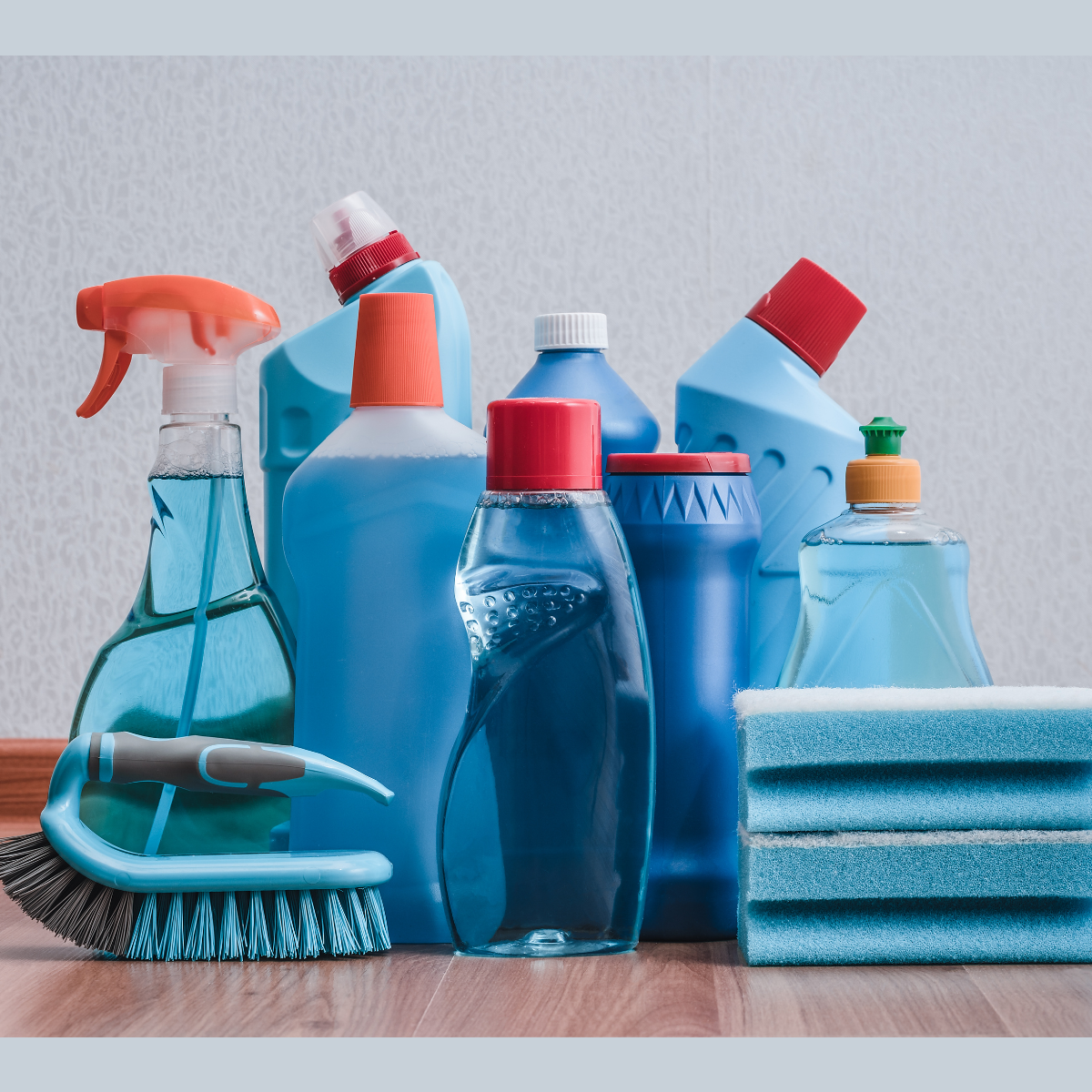
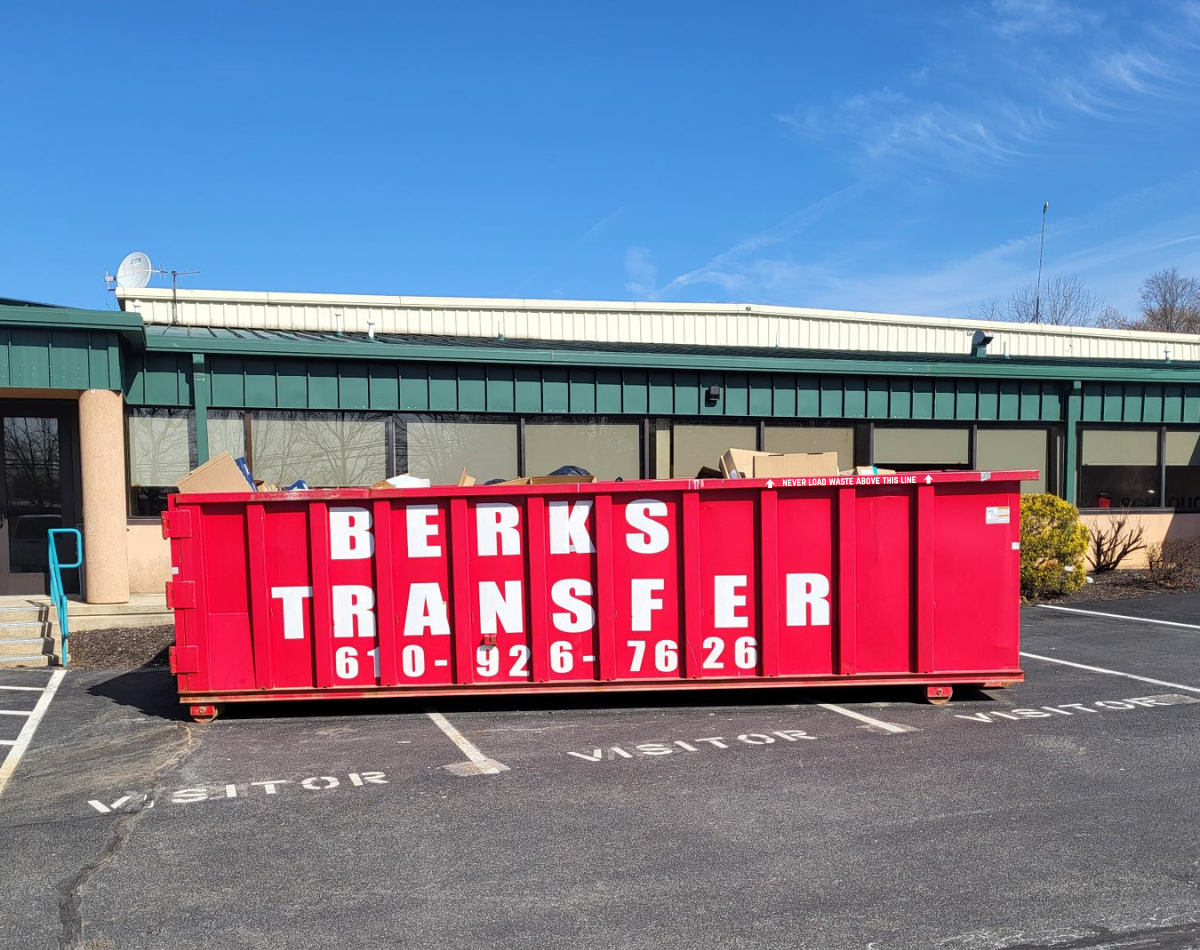
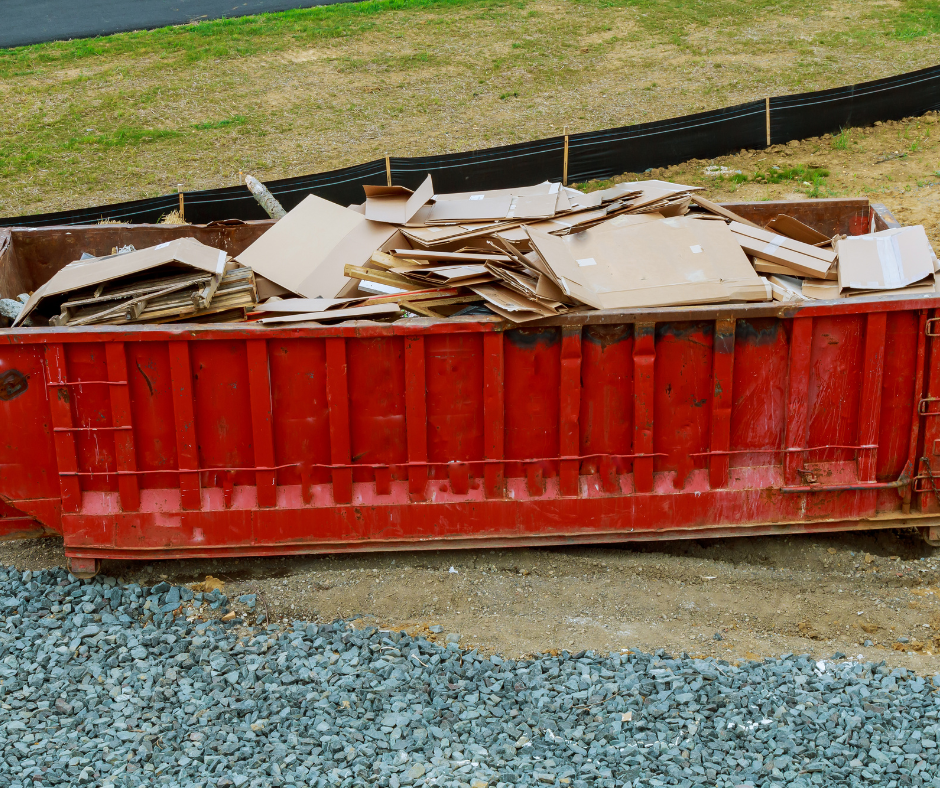
Most people assume that everything goes into a roll-off dumpster when they see one on a job site or in front of a home. It isn't true. There are rules and regulations that govern what goes into a dumpster. They are in place to keep companies compliant and to protect the environment. While anything in a liquid state cannot go into a dumpster, plenty of items can. 


What Can Be Disposed of in a Roll-Off Dumpster


Alkaline Batteries: Due to new manufacturing rules, alkaline batteries no longer contain mercury. AAA, AA, C, D, and 9V alkaline batteries can go in the trash. Yet, non-alkaline batteries (e.g., button cell batteries and car batteries) must be properly disposed.


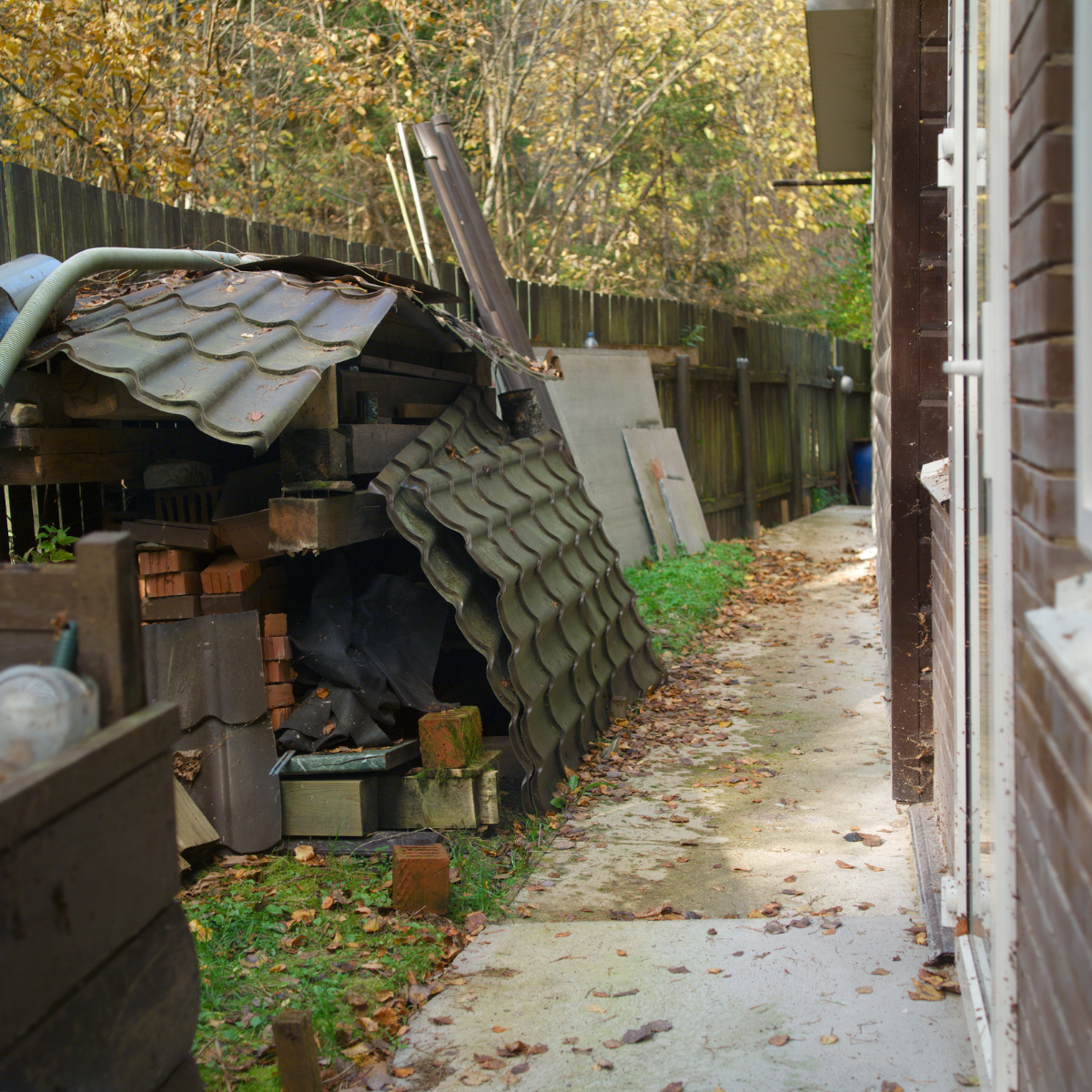
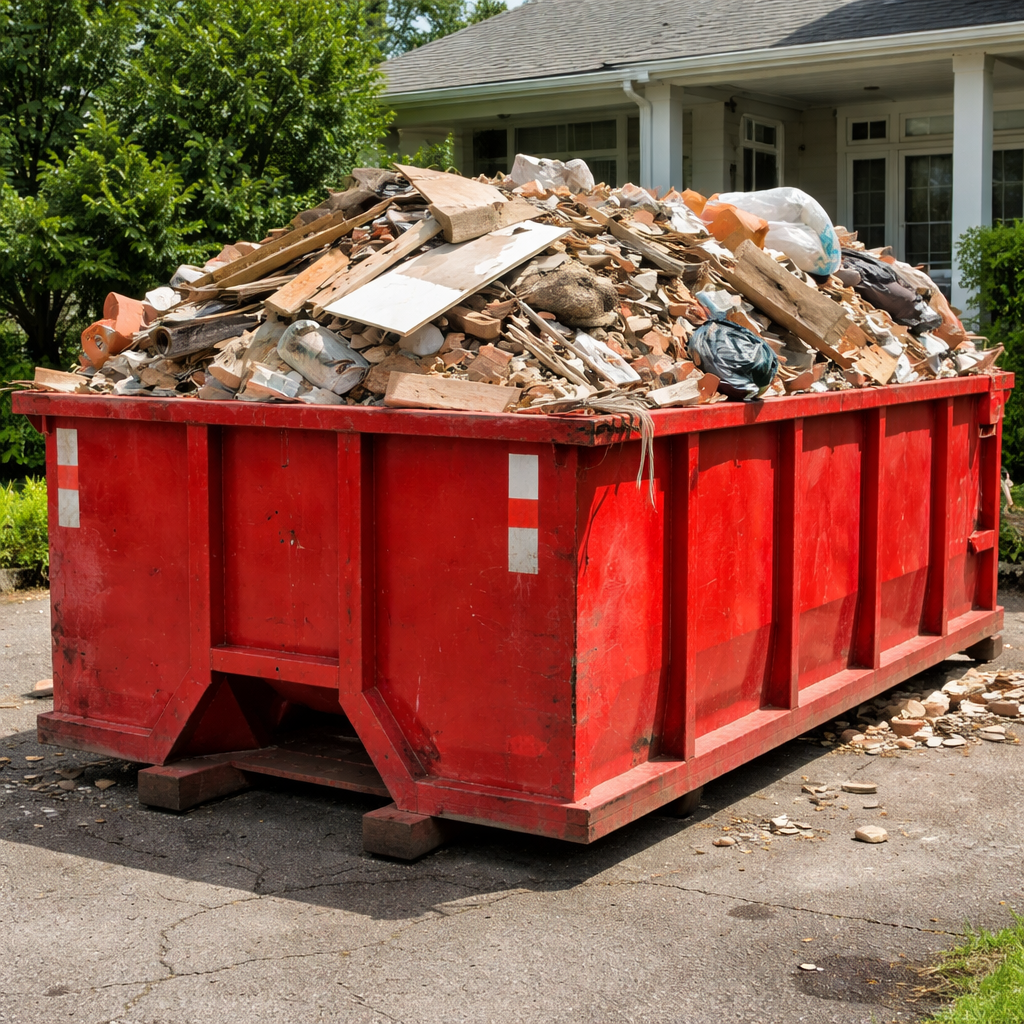
Construction & Demolition Debris: Carpets, drywall, brick, concrete, plywood, stone, roofing shingles, siding, insulation, and tiles can go into a container. Renting a dumpster for recycling certain materials is an option. For example, you can rent a dumpster to contain cinder blocks and concrete that have no paint on them. Do not mix any other material with them that cannot be recycled (e.g., wood).


Appliances: Most appliances can go into a dumpster. However, those that contain a liquid, such as microwaves, freezers, televisions, AC units, and refrigerators, cannot. The liquid can seep into the ground in a landfill causing the contamination of the soil and underlying groundwater. 


Yard Waste: Branches, mulch, sod, trees, and grass are safe to put in a dumpster. Before disposing of dirt, make sure it is not contaminated. 


Furniture: Depending on its size, most furniture is acceptable. Couches, bar stools, tables, entertainment consoles, box springs, cabinets, bookshelves, and other furniture are permitted. 


Household Trash: When cleaning out a home, many items can go into a dumpster. Toys, clothing, window treatments, documents, cardboard, pictures, and books are the most common items disposed. 


When renting a roll-off dumpster, knowing what can and cannot go into it will keep you and/or your company in full compliance and protect the environment. At Berks Transfer, our knowledgeable staff can help you select the dumpster that meets your needs. Contact us today to schedule the delivery and pickup of your roll-off dumpster!


By Berks Transfer September 2, 2026
Fall is right around the corner, which means cooler temperatures, changing leaves, and a good opportunity to tackle those long-overdue cleanup projects around the house. If your garage, basement, shed, or utility room has accumulated old paint, gasoline, motor oil, pesticides, pool chemicals, batteries, solvents, or other potentially hazardous products, now is the perfect time to start sorting through them. The Berks County Household Hazardous Waste Cleanup Event on October 10 th gives Berks County residents a safe and responsible way to dispose of eligible household hazardous materials. Just load up your truck with eligible products and bring them to the event. For homeowners in the area, it's also a great reminder that not everything belongs in your regular trash or recycling. What Is Household Hazardous Waste? Household hazardous waste includes everyday products that can present a safety or environmental risk because they are toxic, flammable, corrosive, volatile, or otherwise hazardous when used, stored, or disposed of improperly.  A quick way to identify potentially hazardous products is to check the label. Words such as CAUTION, DANGER, FLAMMABLE, TOXIC, WARNING, CORROSIVE, POISON , or VOLATILE can indicate that a product requires special handling. You may also see a hazard symbol, such as a skull and crossbones. It's easy to forget about these products once a home-improvement project is finished. A half-used container of driveway sealer, an old can of oil-based stain, or leftover pesticide from a few summers ago can sit in a garage or basement for years. The fall cleanup event is a great opportunity to clear out these materials while making sure eligible products are handled through an appropriate disposal program. Why Proper Household Hazardous Waste Disposal Matters It’s convenient to throw an old chemical container in the trash or pour leftover liquid down a drain. However, improper disposal creates risks for people, waste workers, recycling operations, and the environment. The Berks County Solid Waste Authority notes that improper disposal of household hazardous products can contribute to air and drinking-water pollution. Proper disposal helps: Reduce the potential for chemical exposure. Prevent spills and contamination. Protect local waterways Reduce risks to sanitation and recycling workers. Keep hazardous products out of inappropriate waste streams. Provide residents with a responsible way to clear unwanted chemicals from their homes. For homeowners, a household hazardous waste event can also be the motivation needed to finally tackle that cluttered garage shelf, basement cabinet, or shed where old chemicals have been sitting for years. A Good Fall Cleanup Starts With Knowing What Goes Where At Berks Transfer, we know that responsible waste management starts with understanding that different materials require different disposal methods. Household hazardous waste is a perfect example. While many everyday household items can be put into regular trash, recycling, or other disposal services, hazardous materials require special handling.Taking the time to identify these materials and use the appropriate county collection program is an important step toward keeping your home, community, and environment safer. And if you're doing a larger fall cleanup, renovation, garage cleanout, or property project, it's worth planning your waste disposal before you begin. Knowing what can go into your regular waste stream—and what requires a specialized solution—can save time and prevent problems later. You can bring your non-hazardous products to us or rent one of our dumpsters for easy disposal. Mark Your Calendar The Berks County Household Hazardous Waste Cleanup Event will be held on Saturday, October 10, 2026, from 8 AM to 12 noon, at the Berks County Agricultural Center in Leesport. It’s a valuable opportunity for Berks County residents to responsibly dispose of eligible unwanted or expired household chemicals and other hazardous materials. The event is free for county residents, but pre-registration is required . Start sorting through your garage, basement, shed, and storage areas now. Visit Berks County Solid Waste Authority for more information, including how to transport your hazardous waste to the event and what is not eligible. A cleaner home starts with knowing what belongs where—and proper disposal is an important part of the cleanup.
By Berks Transfer August 25, 2026
It is easy to let unwanted items pile up. An old mattress in the garage, broken furniture in the basement, construction debris in the backyard, or boxes that have not been touched in years may not seem like a major concern. However, stockpiling junk can create serious safety, health, and environmental hazards that often go unnoticed until they become costly problems. Whether you own a home, manage a business, or oversee a construction site in Berks County or the surrounding communities, keeping your property free of unnecessary clutter is an important part of protecting your investment. At Berks Transfer, we help residents, contractors, and businesses responsibly dispose of unwanted materials, making cleanup projects safer, easier, and more environmentally responsible. Fire Hazards Increase with Clutter One of the biggest dangers of stockpiling junk is the increased risk of fire. Materials such as cardboard, paper, wood, old furniture, textiles, and certain plastics can quickly fuel a fire once ignited. Large piles of debris can also: Allow fires to spread more quickly. Block access for emergency responders. Obstruct building exits. Increase smoke production during a fire. Construction debris, improperly stored chemicals, paint cans, and other hazardous materials can make a fire even more dangerous. Attracting Rodents and Pests Junk piles create ideal hiding places for unwanted pests, including rodents, termites and wasps. Rodents, raccoons, insects, snakes, and other wildlife often seek shelter beneath discarded materials, especially when piles remain undisturbed for long periods. Once pests establish themselves, they can spread to homes, offices, warehouses, and neighboring properties. Promptly removing junk helps eliminate these attractive habitats before infestations develop. Health Risks from Mold and Mildew Moisture can easily collect in piles of cardboard, furniture, carpeting, drywall, and other porous materials. As these materials are exposed to humidity and rain, mold and mildew can begin to grow. Mold spores can affect indoor and outdoor air quality and may trigger: Allergies Asthma symptoms Respiratory irritation Unpleasant odors These risks are especially concerning for children, older adults, and individuals with respiratory conditions. Injury Hazards on Your Property Stockpiled junk creates numerous physical hazards. Loose debris, broken glass, exposed nails, rusted metal, unstable stacks, and uneven piles can cause trips, falls, cuts, and puncture wounds. For businesses and construction sites, cluttered work areas can also increase liability and create workplace safety hazards. Keeping materials organized and disposing of waste regularly helps maintain a safer environment for employees, customers, visitors, and family members. Water Damage and Drainage Problems Large piles of debris can interfere with proper drainage around your property. When stormwater cannot flow naturally, water may collect around foundations, parking lots, driveways, or landscaped areas. Over time, poor drainage can contribute to: Flooding Soil erosion Foundation damage Standing water Mosquito breeding Proper waste removal supports healthy drainage and helps protect your property during heavy Pennsylvania rainstorms . Reduced Property Value and Curb Appeal Even if junk is stored behind a building or fence, excessive clutter can negatively affect a property's appearance. Potential buyers, tenants, customers, and neighbors may view excessive junk as a sign of neglect. This can reduce curb appeal and potentially lower property values. Routine cleanup demonstrates pride in your property while creating a cleaner, safer, and more welcoming environment. Environmental Concerns Improperly stored waste can negatively impact the environment. Rainwater flowing through junk piles may carry contaminants into nearby soil and stormwater systems. Electronics, batteries, chemicals, paints, and certain construction materials require proper disposal to help prevent pollution. Using a reputable transfer station helps ensure waste is managed responsibly and promotes environmentally sound disposal practices. When Is It Time to Clean Up? If you answer "yes" to any of these questions, it may be time to schedule a cleanup: Has junk been sitting on your property for more than a few months? Are junk piles becoming difficult to manage? Have you noticed pests or unpleasant odors? Is clutter making it difficult to access buildings or equipment? Are you planning a renovation or property improvement project? Taking care of unwanted materials now can help prevent larger problems and more expensive repairs later. How Berks Transfer Can Help Whether you are tackling a garage cleanout, remodeling project, landscaping job, commercial cleanup, or construction site, Berks Transfer provides a convenient solution for disposing of unwanted materials, whether it's with a dumpster or our DIY service . Our team proudly serves homeowners, contractors, municipalities, and businesses throughout Berks County and the surrounding region. We are committed to helping customers dispose of waste safely, efficiently, and responsibly while helping keep our local communities clean. If you're ready to clear out unwanted materials, contact Berks Transfer today. Our knowledgeable team is here to help you dispose of waste responsibly so you can enjoy a cleaner, safer, and more organized property.
By Berks Transfer July 20, 2026
Berks Transfer Keeps Pennsylvania Projects Moving with Reliable Dumpster and Waste Disposal Solutions
By Berks Transfer July 2, 2026
Severe weather can strike with little warning, leaving homeowners, businesses, municipalities, and contractors facing the overwhelming task of cleaning up fallen trees, damaged building materials, and other storm debris. Whether it's a powerful thunderstorm, tornado, flooding event, or winter storm, having a plan for proper debris disposal can make recovery safer, faster, and more efficient. At Berks Transfer, we understand that storm cleanup is about more than removing waste—it's about helping communities recover. As a trusted waste transfer station serving Berks County and the surrounding region, we're equipped to help manage disaster debris responsibly while supporting local cleanup efforts. We offer a variety of dumpsters to match the clean up needed. Why Storm Cleanup Requires Proper Waste Management After a major storm, debris can accumulate quickly. Tree limbs block roadways, damaged roofing materials pile up, fencing collapses, and water-damaged furniture and drywall often need immediate removal. Without an organized disposal plan, cleanup efforts can become delayed, unsafe, and costly. Transfer stations play a critical role by providing a centralized location where debris can be delivered, sorted, and directed to the appropriate recycling, recovery, or disposal facility. This process helps reduce unnecessary trips to landfills, improves efficiency, and supports environmentally responsible waste management. Common Types of Storm Debris Storm cleanup often involves a wide variety of materials, including: Fallen trees, branches, and brush Roofing shingles and roofing materials Lumber and fencing Drywall and insulation Damaged furniture Carpet and flooring Construction and demolition debris Concrete, brick, and masonry Household debris Non-hazardous waste Each material may require different handling procedures, making it important to work with an experienced transfer station that understands proper disposal methods. How Transfer Stations Help Communities Recover Efficient Debris Collection Following a severe weather event, cleanup crews, contractors, municipalities, and residents often generate large amounts of debris in a short period. A transfer station helps streamline the disposal process by providing a convenient location for quick waste unloading. Instead of traveling long distances to multiple disposal facilities, haulers can deliver materials to one central location, reducing transportation time and getting crews back to cleanup projects sooner. Material Sorting and Recycling Not everything collected after a storm belongs in a landfill. Transfer stations separate recyclable materials whenever possible, including: Metal Concrete Asphalt Recovering recyclable materials helps conserve natural resources and reduces landfill usage, supporting sustainability efforts throughout the community. Safe Disposal Practices Storm debris can contain nails, broken glass, sharp metal, splintered lumber, and other hazards. Proper handling and disposal help protect workers, drivers, and the public. Transfer stations can also help identify materials that require special handling due to local, state, and federal regulations. Tips for Preparing Before Storm Season While no one can prevent severe weather, preparation can make cleanup much easier. Secure Outdoor Items Patio furniture, grills, trash containers, and yard equipment should be secured before storms arrive to reduce damage and debris. Trim Trees Regularly Removing dead or damaged branches can significantly reduce storm debris after high winds. Have a Cleanup Plan Know where you'll take debris before severe weather strikes. Identifying a trusted transfer station saves valuable time during recovery. Berks Transfer is open six days a week to help with your disposal needs. Use the Right Containers Contractors and property managers handling large cleanup projects should consider arranging waste containers before major storm events whenever possible. Supporting a Stronger Community Storms may leave behind damaged property, but communities recover faster when everyone works together. Proper debris management helps restore neighborhoods, keeps roads clear, protects the environment, and supports rebuilding efforts. By choosing a trusted transfer station, you're not only simplifying cleanup—you’re contributing to a cleaner, safer, and more sustainable community. Contact Berks Transfer When severe weather strikes, Berks Transfer is here to help. Whether you're a homeowner tackling storm cleanup or a contractor managing a large-scale recovery project, our team is ready to provide dependable waste transfer services that help get your cleanup back on track. Contact Berks Transfer today to learn more about our transfer station services and how we can support your next cleanup project.
By Berks Transfer June 12, 2026
Helping Local Businesses Operate More Efficiently Businesses throughout Berks County depend on reliable waste disposal services to keep operations running smoothly. Waste transfer stations support local businesses by: Providing fast and convenient waste disposal Reducing downtime for commercial vehicles Supporting construction and demolition projects Managing large volumes of industrial and commercial waste Helping businesses maintain regulatory compliance For contractors and industrial operations, working with a trusted local waste transfer station can improve productivity and reduce operating costs. Supporting Construction and Development New construction and redevelopment projects generate increasing amounts of debris and recyclable materials. Waste transfer stations provide convenient disposal solutions for: Construction debris Demolition materials Concrete and asphalt waste Wood, metal, and recyclable materials By providing an easy way to dispose of waste by bringing it to a waste transfer station (via truck or dumpster ), contractors keep projects on schedule while reducing environmental impact. Assisting With Storm Cleanup and Emergency Response Severe weather events can create large amounts of debris in a short period of time. Waste transfer stations are the perfect place to dispose of debris from storm cleanup, flooding events, and emergency demolition projects. Having a local waste transfer station available allows municipalities and property owners to remove debris quickly, restore normal operations faster, and improve public safety during recovery efforts. Why Local Waste Infrastructure Matters Waste transfer stations help prevent service disruptions, illegal dumping , overflowing containers, and transportation inefficiencies. Strong local waste infrastructure supports: Public health Environmental protection Economic development Cleaner community appearance Long-term sustainability They keep communities running, supporting clean environments and productive businesses. Berks Transfer: Supporting Berks County Waste Management As a trusted waste transfer station, Berks Transfer supports contractors, businesses, municipalities, and industrial operations throughout Berks County with reliable and affordable waste transfer services. Berks Transfer is also the only waste transfer station in Berks County open to the public. Final Thoughts Waste transfer stations do far more than move waste from one location to another; they help keep communities clean, support local businesses, improve environmental sustainability, and strengthen communities. At Berks Transfer, we provide waste disposal services to help businesses and residents achieve efficient waste management. Contact us today to learn how easy it is to dispose of your waste and unwanted junk at our facility!
By Berks Transfer May 18, 2026
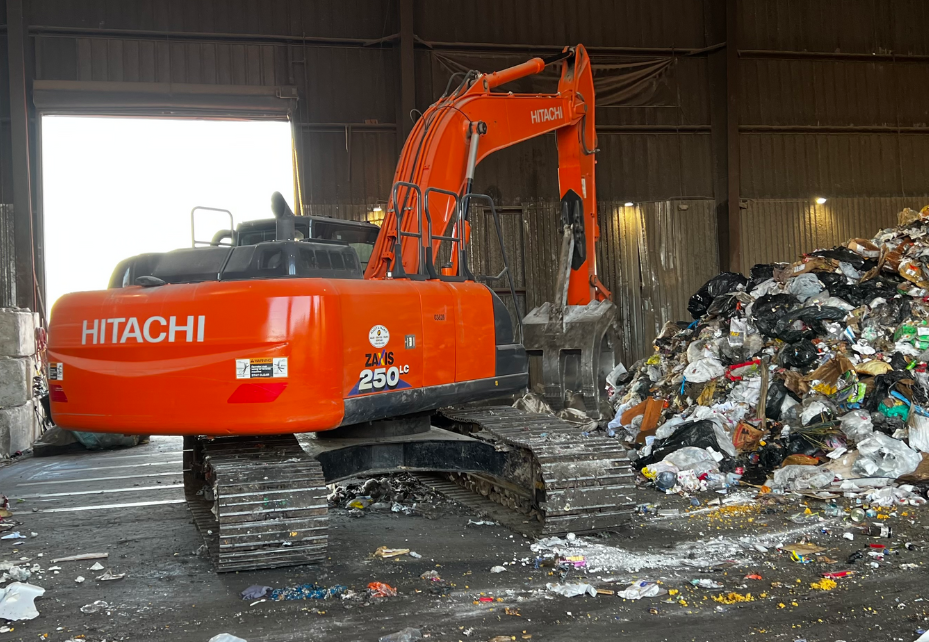
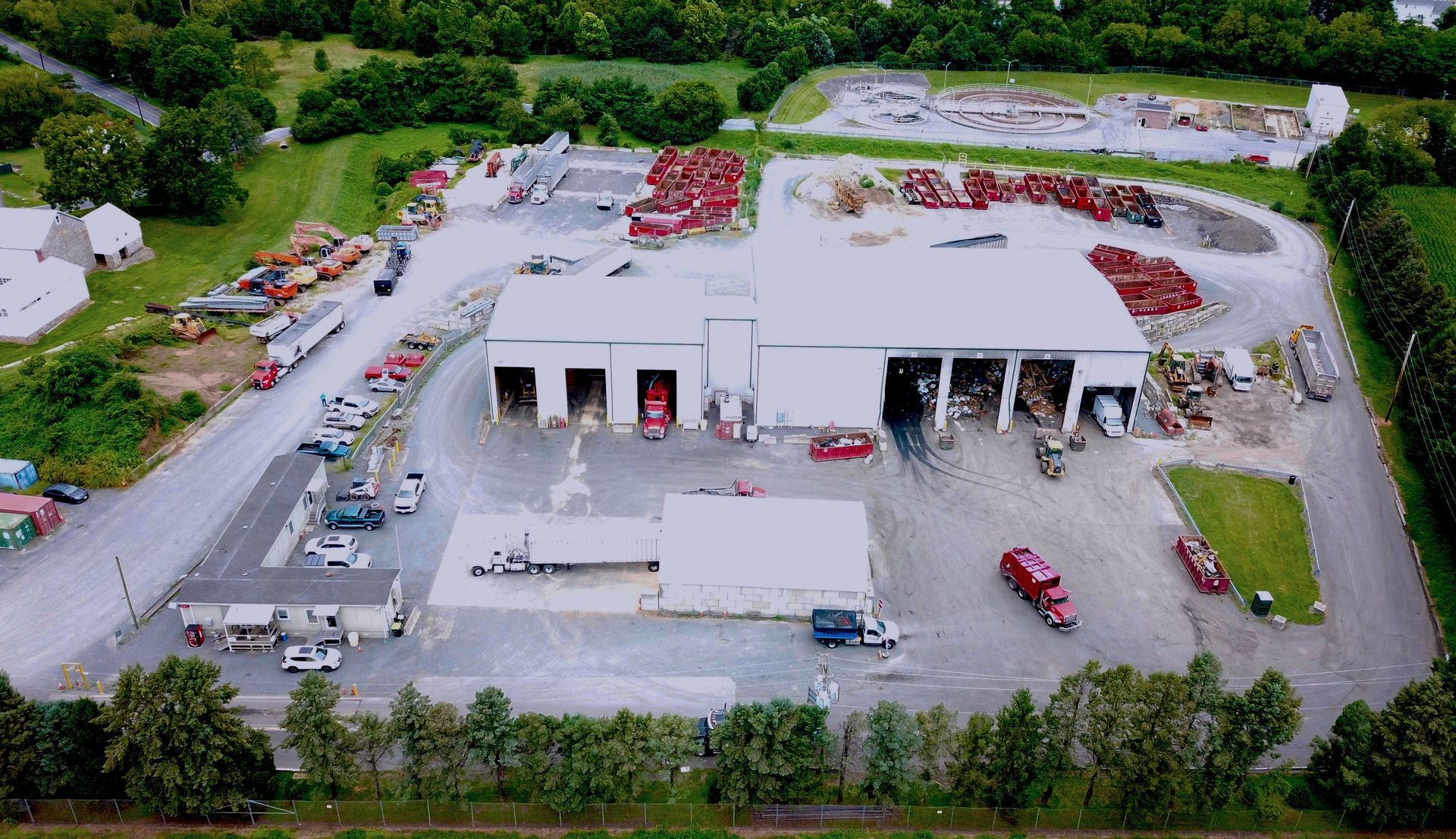
No one thinks about a waste transfer station. Yet, communities depend on them to keep neighborhoods clean, businesses productive, and the environment protected. In Berks County , Pennsylvania, waste transfer stations play an important role in supporting those efforts every day. For municipalities, contractors, businesses, and residents, dependable waste management protects public health, supports economic growth, and promotes environmental responsibility. Companies like Berks Transfer help make that possible. What Is a Waste Transfer Station? A waste transfer station is a centralized facility that temporarily collects, sorts, and recycles waste delivered by smaller local trucks. From there, larger waste hauling vehicles transport those materials to landfills or recycling centers. By utilizing a waste transfer station, communities can reduce fuel consumption, lower transportation costs, and improve overall efficiency for waste management operations across Berks County. Keeping Berks County Communities Cleaner From Reading to Morgantown and Oley to Bethel, waste transfer stations help maintain cleaner neighborhoods, commercial properties, and public spaces. Without reliable waste transfer stations, waste collection becomes slower, more expensive, and less efficient. Municipalities, construction companies, industrial facilities, and local businesses rely on these facilities to handle waste safely and efficiently. By improving disposal logistics and reducing transportation delays, waste transfer stations help prevent waste buildup and support healthier communities throughout Berks County. Supporting Environmental Sustainability Waste transfer stations are designed to reduce environmental impact. Facilities like Berks Transfer help minimize unnecessary truck travel, which lowers fuel usage and vehicle emissions. Efficient transfer operations help: Reduce emissions from waste transportation. Improve recycling and material recovery efforts. Support cleaner air and safer roadways. Reduce traffic from long-haul waste trucks. As more developments and shopping centers are built in Berks County, sustainability is becoming a growing priority across Pennsylvania. Efficient waste transfer operations help communities manage increasing waste demands while supporting environmental goals. Stayed tuned for part two of this blog!
By Berks Transfer April 20, 2026
When it comes to dumpsters and waste transfer stations, misinformation is everywhere. From homeowners tackling a renovation to contractors managing large job sites, these myths can lead to costly mistakes, safety issues, and missed opportunities for smarter waste management. At Berks Transfer, we believe informed customers make better decisions—and save more in the process. Let’s break down some of the most common dumpster myths and uncover the truth behind them.
By Berks Transfer April 6, 2026
When tackling a home renovation, construction project, or major cleanout, renting a dumpster simplifies waste disposal. Knowing how to fill a dumpster correctly helps maximize space, stay within weight limits, and avoid added fees. In this guide, we’ll share expert tips for efficient, safe, and cost-effective loading.
By Berks Transfer March 6, 2026
Construction season in Reading, PA, and Berks County is just around the corner. While most focus on materials, permits, and schedules, one essential step is often overlooked: managing construction waste. Renting a dumpster early—before demolition or material delivery—keeps your project organized, safe, and efficient from the very start.
By Berks Transfer February 23, 2026
Efficient waste collection is the backbone of a clean, healthy community. But what most people don’t see is the logistics behind the scenes that make that efficiency possible. At Berks Transfer, improving waste collection efficiency isn’t just a goal — it’s part of how we serve our customers and our community every day. Here’s how waste transfer stations play a critical role in streamlining the entire waste management process. 1. Shorter Hauls for Collection Trucks Collection trucks are designed to pick up waste from neighborhoods and businesses — not to drive long distances to landfills. A waste transfer station acts as a central consolidation point. Instead of traveling miles to a landfill, trucks drop off collected waste at Berks Transfer. This allows them to: Complete more routes per day. Reduce fuel consumption Lower vehicle wear and tear Get back into neighborhoods faster. The result? Faster service and lower operational costs. 2. Faster Turnaround Times Time is money in waste collection. When trucks spend less time driving to distant disposal sites, they spend more time doing what they’re meant to do — collecting waste efficiently. At Berks Transfer, our streamlined unloading process helps minimize wait times and keeps vehicles moving. That means: Less congestion Improved route productivity More consistent pickup schedules 3. Smarter Waste Consolidation Transfer stations allow waste to be combined into larger, high-capacity transport trailers. These trailers are designed for long-distance hauling, making transport to landfills or recycling facilities far more efficient than sending multiple small trucks. By consolidating loads, Berks Transfer helps: Reduce the number of long-haul trips. Lower greenhouse gas emissions Improve overall transportation efficiency. It’s smarter logistics that benefit both businesses and the environment. 4. Reduced Environmental Impact Efficiency and sustainability are closely linked. By minimizing drive time and maximizing load capacity, transfer stations reduce: Fuel usage Traffic congestion Carbon emissions Berks Transfer supports environmentally responsible waste management through optimized transportation strategies that reduce our overall footprint. 5. Better Service for Businesses & Municipalities For general contractors, businesses, and local communities, efficiency means reliability. A well-operated transfer station ensures: Predictable tipping times Flexible disposal options Faster turnaround for roll-off containers Dependable service during peak demand At Berks Transfer, our focus on operational efficiency helps keep construction projects on schedule and neighborhoods running smoothly. Why Collection Efficiency Matters Efficient waste collection doesn’t just save money — it improves public health, reduces environmental impact, and strengthens community infrastructure. Waste transfer stations are the logistical hub that makes this possible. By acting as a strategic midpoint between collection routes and final disposal sites, Berks Transfer enhances route performance, lowers costs, and delivers dependable service in Berks and surrounding counties. Contact us today to learn how our waste transfer station supports smarter, faster waste collection for your business needs.
More Posts