By Berks Transfer
•
August 25, 2026
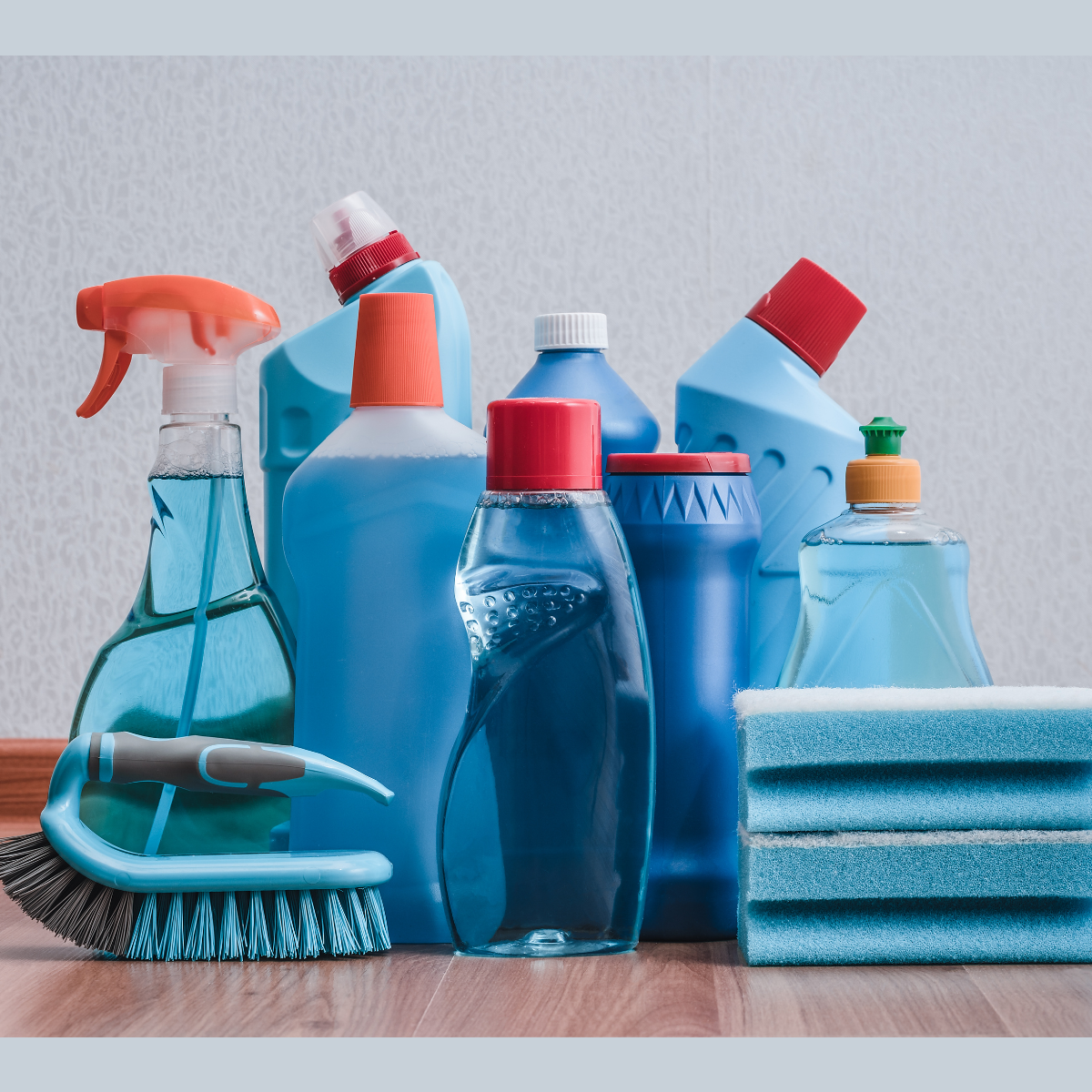
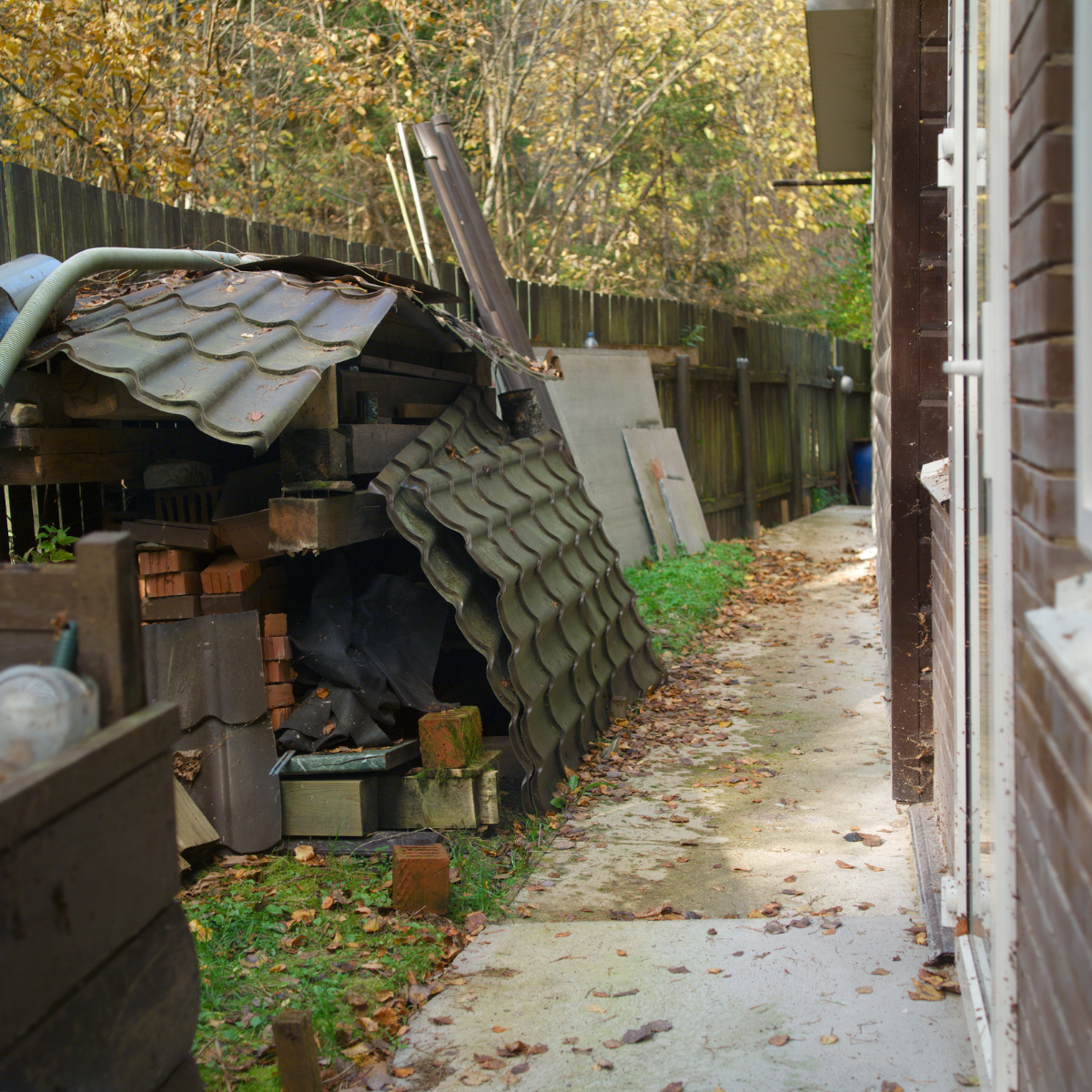
It is easy to let unwanted items pile up. An old mattress in the garage, broken furniture in the basement, construction debris in the backyard, or boxes that have not been touched in years may not seem like a major concern. However, stockpiling junk can create serious safety, health, and environmental hazards that often go unnoticed until they become costly problems. Whether you own a home, manage a business, or oversee a construction site in Berks County or the surrounding communities, keeping your property free of unnecessary clutter is an important part of protecting your investment. At Berks Transfer, we help residents, contractors, and businesses responsibly dispose of unwanted materials, making cleanup projects safer, easier, and more environmentally responsible. Fire Hazards Increase with Clutter One of the biggest dangers of stockpiling junk is the increased risk of fire. Materials such as cardboard, paper, wood, old furniture, textiles, and certain plastics can quickly fuel a fire once ignited. Large piles of debris can also: Allow fires to spread more quickly. Block access for emergency responders. Obstruct building exits. Increase smoke production during a fire. Construction debris, improperly stored chemicals, paint cans, and other hazardous materials can make a fire even more dangerous. Attracting Rodents and Pests Junk piles create ideal hiding places for unwanted pests, including rodents, termites and wasps. Rodents, raccoons, insects, snakes, and other wildlife often seek shelter beneath discarded materials, especially when piles remain undisturbed for long periods. Once pests establish themselves, they can spread to homes, offices, warehouses, and neighboring properties. Promptly removing junk helps eliminate these attractive habitats before infestations develop. Health Risks from Mold and Mildew Moisture can easily collect in piles of cardboard, furniture, carpeting, drywall, and other porous materials. As these materials are exposed to humidity and rain, mold and mildew can begin to grow. Mold spores can affect indoor and outdoor air quality and may trigger: Allergies Asthma symptoms Respiratory irritation Unpleasant odors These risks are especially concerning for children, older adults, and individuals with respiratory conditions. Injury Hazards on Your Property Stockpiled junk creates numerous physical hazards. Loose debris, broken glass, exposed nails, rusted metal, unstable stacks, and uneven piles can cause trips, falls, cuts, and puncture wounds. For businesses and construction sites, cluttered work areas can also increase liability and create workplace safety hazards. Keeping materials organized and disposing of waste regularly helps maintain a safer environment for employees, customers, visitors, and family members. Water Damage and Drainage Problems Large piles of debris can interfere with proper drainage around your property. When stormwater cannot flow naturally, water may collect around foundations, parking lots, driveways, or landscaped areas. Over time, poor drainage can contribute to: Flooding Soil erosion Foundation damage Standing water Mosquito breeding Proper waste removal supports healthy drainage and helps protect your property during heavy Pennsylvania rainstorms . Reduced Property Value and Curb Appeal Even if junk is stored behind a building or fence, excessive clutter can negatively affect a property's appearance. Potential buyers, tenants, customers, and neighbors may view excessive junk as a sign of neglect. This can reduce curb appeal and potentially lower property values. Routine cleanup demonstrates pride in your property while creating a cleaner, safer, and more welcoming environment. Environmental Concerns Improperly stored waste can negatively impact the environment. Rainwater flowing through junk piles may carry contaminants into nearby soil and stormwater systems. Electronics, batteries, chemicals, paints, and certain construction materials require proper disposal to help prevent pollution. Using a reputable transfer station helps ensure waste is managed responsibly and promotes environmentally sound disposal practices. When Is It Time to Clean Up? If you answer "yes" to any of these questions, it may be time to schedule a cleanup: Has junk been sitting on your property for more than a few months? Are junk piles becoming difficult to manage? Have you noticed pests or unpleasant odors? Is clutter making it difficult to access buildings or equipment? Are you planning a renovation or property improvement project? Taking care of unwanted materials now can help prevent larger problems and more expensive repairs later. How Berks Transfer Can Help Whether you are tackling a garage cleanout, remodeling project, landscaping job, commercial cleanup, or construction site, Berks Transfer provides a convenient solution for disposing of unwanted materials, whether it's with a dumpster or our DIY service . Our team proudly serves homeowners, contractors, municipalities, and businesses throughout Berks County and the surrounding region. We are committed to helping customers dispose of waste safely, efficiently, and responsibly while helping keep our local communities clean. If you're ready to clear out unwanted materials, contact Berks Transfer today. Our knowledgeable team is here to help you dispose of waste responsibly so you can enjoy a cleaner, safer, and more organized property.